
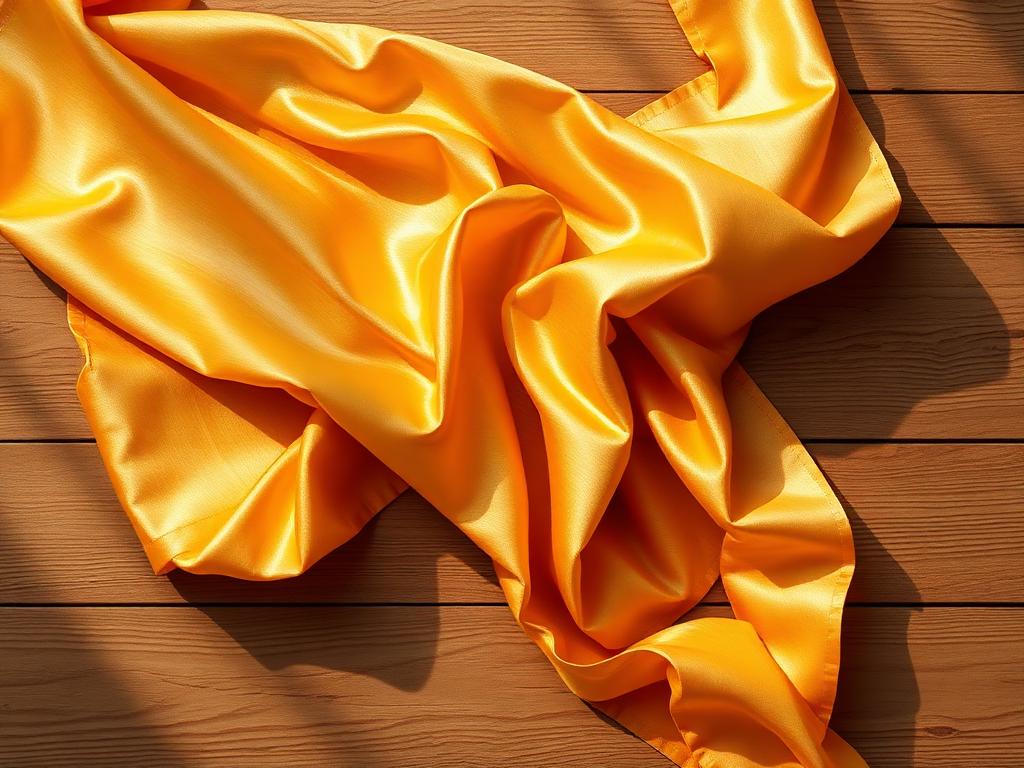
In the labyrinthine lanes of Varanasi, where sunlight filters through centuries-old architecture, a craft as old as the Mughal courts continues to breathe life into silk. Zari — the art of weaving gold and silver threads into fabric — is not merely a technique. It is an inheritance.
The Origins of Zari
The word ‘Zari’ derives from the Persian word ‘Zar,’ meaning gold. Historical records trace the craft back to the Mughal era, when artisans were commissioned to create fabrics fit for royalty. The technique was perfected in Varanasi, where it became inseparable from the city’s identity.
Today, Varanasi remains the epicenter of zari production in India. Over 25,000 families depend on this craft for their livelihood, making it not just an art form but a socioeconomic lifeline.
How Zari is Made
The process begins with flattening fine silver wire and coating it with gold through an electroplating process. This gilded wire is then wound around a silk or cotton core thread. The result is a lustrous, flexible thread that catches light at every angle.
There are two primary types of zari:
- Real Zari (Asli Zari): Made with pure silver wire coated in 24k gold, this is the most precious form. A single Banarasi saree may use up to 200 grams of real zari.
- Tested Zari: Uses copper wire coated in silver and gold, offering a more accessible alternative while retaining the characteristic luster.
The Weaver’s Meditation
Weaving zari into a saree is a meditative practice. Master weavers work on pit looms — some over a hundred years old — using a jacquard mechanism to create intricate patterns. A single saree can take anywhere from 15 days to 6 months, depending on the complexity of the design.
Ustad Kaleem Ansari, a 4th-generation zari weaver and National Award recipient, describes the process: “Each thread is a prayer. When I weave, I am not creating fabric — I am continuing a conversation that began centuries ago.”
Preserving the Craft
The zari industry faces challenges from machine-made imitations and declining demand for handloom products. Organizations like Ramrasiya work directly with weaver families, ensuring fair wages and providing a global platform for their art.
By choosing authentic zari, you are not just purchasing a saree — you are investing in a living tradition, supporting artisan families, and preserving a craft that defines India’s cultural identity.